WiFi Troubles? Simple Solutions for Better Connectivity
- Callum Llewellyn
- Apr 28
- 4 min read
In today's digital age, a reliable WiFi connection is essential for both work and leisure. Whether you're streaming your favorite show, attending a virtual meeting, or simply browsing the web, a stable internet connection is crucial. Unfortunately, many of us experience frustrating WiFi issues that can disrupt our daily activities. If you're tired of slow speeds, dropped connections, or dead zones in your home, you're not alone. Fortunately, there are simple solutions to enhance your WiFi connectivity.
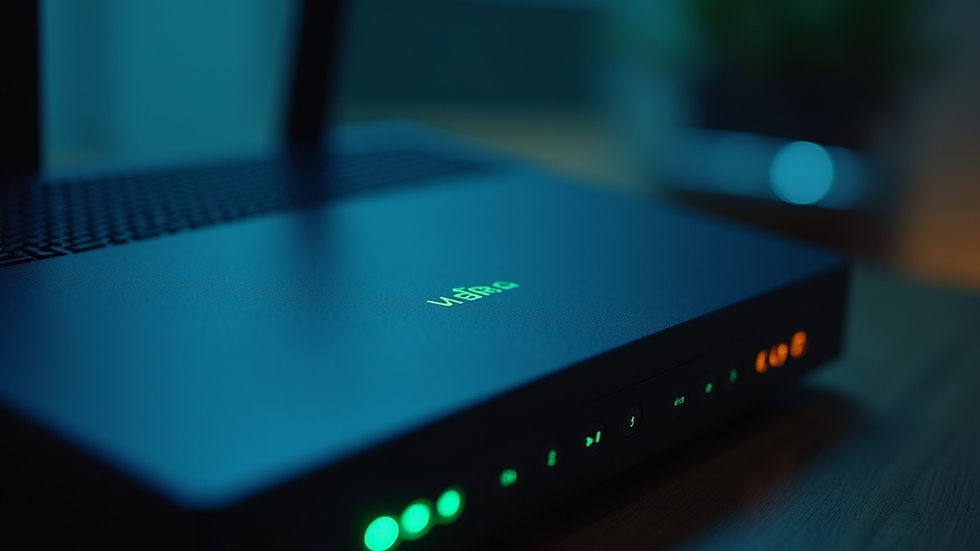
Understanding WiFi Connectivity Issues
Before diving into solutions, it's important to understand the common issues that can affect your WiFi connectivity. Here are some of the most frequent problems:
1. Interference from Other Devices
Many household devices can interfere with your WiFi signal. Common culprits include:
Microwaves: These can disrupt the 2.4 GHz frequency used by many routers.
Cordless Phones: Older models can also cause interference.
Bluetooth Devices: These can compete for bandwidth.
2. Distance from the Router
The further you are from your WiFi router, the weaker the signal will be. Walls, floors, and furniture can also obstruct the signal, leading to dead zones in your home.
3. Outdated Hardware
Older routers may not support the latest WiFi standards, which can limit your internet speed and connectivity. If your router is more than five years old, it may be time for an upgrade.
4. Network Congestion
If multiple devices are connected to your network, they can compete for bandwidth, leading to slower speeds. This is especially common in households with many smart devices.
Simple Solutions for Better WiFi Connectivity
Now that we've identified common issues, let's explore practical solutions to improve your WiFi connectivity.
1. Position Your Router Strategically
The placement of your router can significantly impact your WiFi signal. Here are some tips for optimal positioning:
Central Location: Place your router in a central location in your home to maximize coverage.
Elevated Position: Keep the router on a shelf or high surface to reduce obstructions.
Away from Interference: Avoid placing the router near microwaves, cordless phones, or thick walls.
2. Upgrade Your Router
If your router is outdated, consider upgrading to a newer model that supports the latest WiFi standards, such as WiFi 6. Newer routers offer better speed, range, and performance. Look for features like:
Dual-Band or Tri-Band: These routers can operate on multiple frequencies, reducing congestion.
MU-MIMO Technology: This allows multiple devices to connect simultaneously without slowing down the network.
3. Use WiFi Extenders or Mesh Systems
If you have a large home or experience dead zones, WiFi extenders or mesh systems can help.
WiFi Extenders: These devices amplify your existing signal, extending coverage to hard-to-reach areas.
Mesh Systems: These consist of multiple nodes that work together to create a seamless WiFi network throughout your home.
4. Limit Connected Devices
To reduce network congestion, limit the number of devices connected to your WiFi. Disconnect devices that are not in use, and consider scheduling heavy usage activities, such as downloads or streaming, during off-peak hours.
5. Change Your WiFi Channel
WiFi networks operate on different channels. If your neighbors are using the same channel, it can lead to interference. You can change your WiFi channel through your router's settings. Use a WiFi analyzer app to find the least congested channel.
6. Secure Your Network
An unsecured network can allow unauthorized users to connect, slowing down your internet speed. Ensure your WiFi is password-protected and consider changing the default network name (SSID) to something unique.
7. Regularly Update Firmware
Router manufacturers frequently release firmware updates to improve performance and security. Check your router's settings regularly to ensure it is running the latest firmware.
8. Consider Wired Connections
For devices that require a stable connection, such as gaming consoles or desktop computers, consider using an Ethernet cable. Wired connections provide faster speeds and lower latency compared to WiFi.
Troubleshooting Common WiFi Problems
Even with the best setup, you may still encounter issues. Here are some troubleshooting steps to resolve common WiFi problems:
1. Restart Your Router
Sometimes, a simple restart can resolve connectivity issues. Unplug your router, wait for about 30 seconds, and then plug it back in. This can clear temporary glitches and improve performance.
2. Check for Service Outages
If your internet is down, check with your Internet Service Provider (ISP) for any service outages in your area. They may be experiencing issues that are affecting your connection.
3. Run a Speed Test
Use an online speed test tool to check your internet speed. This can help you determine if you're getting the speeds you're paying for. If the speeds are significantly lower, contact your ISP for assistance.
4. Reset Your Router to Factory Settings
If you're still experiencing issues, consider resetting your router to its factory settings. This will erase all custom settings, so be sure to note any important configurations before proceeding.
Enhancing Your WiFi Experience
Improving your WiFi connectivity is not just about fixing problems; it's also about enhancing your overall experience. Here are some additional tips to consider:
1. Use Quality of Service (QoS) Settings
Many modern routers come with QoS settings that allow you to prioritize bandwidth for specific devices or applications. This is especially useful for streaming or gaming, ensuring that these activities receive the necessary bandwidth.
2. Monitor Your Network
Use network monitoring tools to keep an eye on your connected devices and their usage. This can help you identify any unauthorized users or devices that may be hogging bandwidth.
3. Educate Your Family
Make sure everyone in your household understands the importance of WiFi etiquette. Encourage family members to limit streaming or gaming during peak hours to ensure everyone has a good experience.
4. Consider Professional Help
If you've tried all the above solutions and still face issues, it may be time to consult a professional. They can assess your home network and provide tailored solutions to improve your connectivity.
Conclusion
WiFi troubles can be frustrating, but with the right strategies, you can achieve better connectivity and enjoy a seamless online experience. By understanding common issues, implementing practical solutions, and enhancing your network, you can ensure that your WiFi meets your needs. Don't let connectivity problems hold you back; take action today to improve your WiFi experience.
Remember, a reliable internet connection is just a few adjustments away!


Comments